
The Women Who Beat the House Real Card Counters and Con Artists Who Outsmarted the Casino
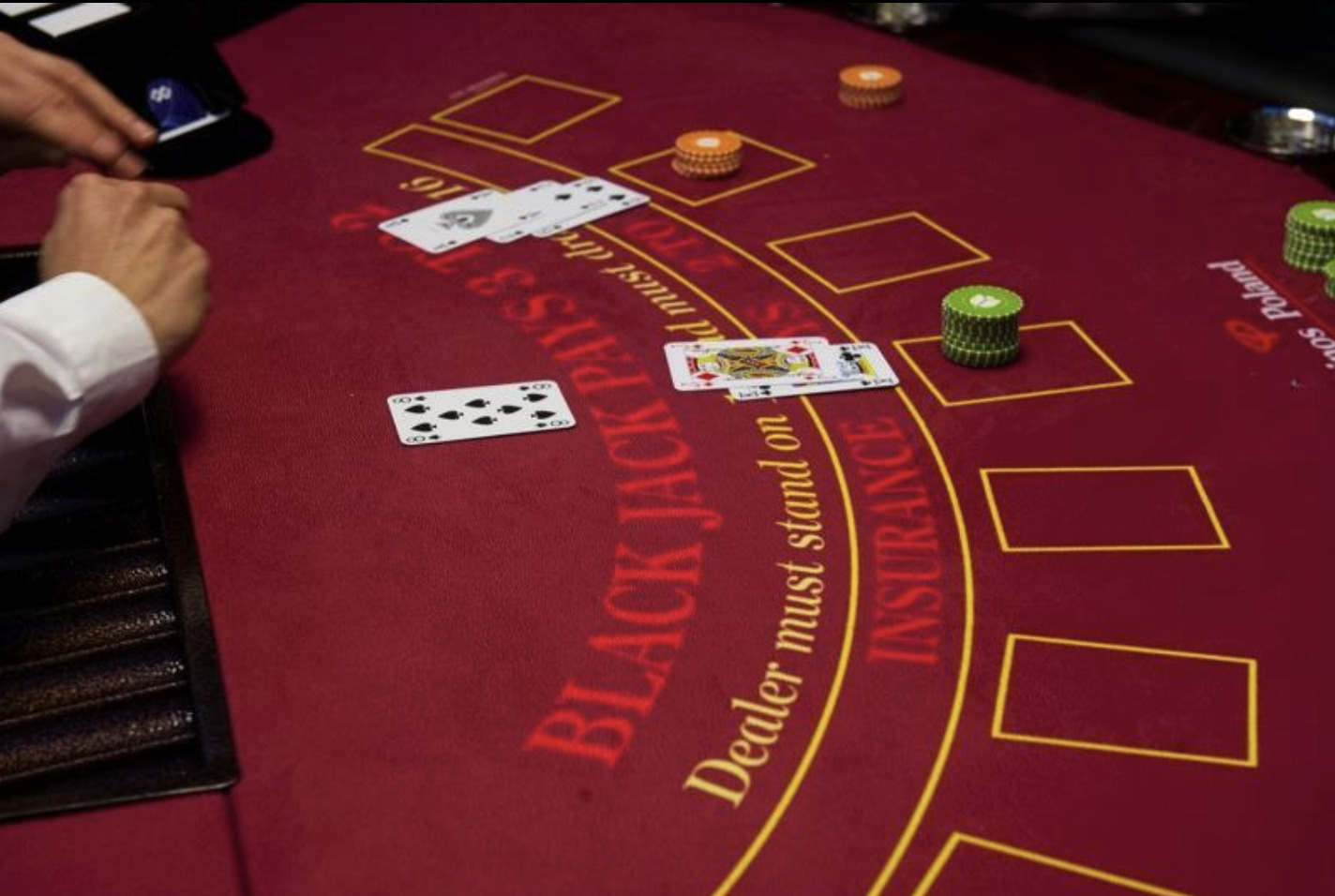
The pit boss is trained to look for a certain kind of man. He scans the blackjack tables for the lone wolf with the twitchy bet spread, the one who raises his stake the instant the shoe runs hot. For most of casino history, that profile carried a quiet, useful blind spot: it almost never imagined a woman. That blind spot cost the houses of Las Vegas, Atlantic City and half of Europe a great deal of money, because some of the sharpest people ever to beat the game of blackjack were women who walked the floor looking like anything but a threat.
This is a story about advantage, not cheating, and the distinction matters more than the casinos would ever like to admit. Counting cards is not illegal. It involves no device, no marked deck, no accomplice slipping signals from the rafters. It is memory, arithmetic and nerve. Yet the house has spent decades treating skilled players as criminals, banning them, photographing them and circulating their faces in private dossiers. The women who beat the house did so within the rules, and were punished anyway. That tension, between what is fair and what the casino will tolerate, is the real crime scene here.
The original house-beater of the Gold Rush
Long before anyone had calculated a true count, a woman named Eleanore Dumont stepped off a stagecoach in Nevada City, California, in 1854, at the height of the Gold Rush. The mining towns were awash in loose money, and Dumont saw the opportunity clearly. She opened an elegant gambling parlour where she personally dealt a French card game that would evolve into modern blackjack, charming miners out of their gold dust with a composure that unsettled the rough men around her table.
Dumont was not a counter in the mathematical sense that came a century later. She was something older and just as dangerous to the house: a woman who understood odds, human weakness and theatre, and who ran the game on her own terms in an era that gave women almost no room to do so. Her later years curdled into hardship and a bleak end, and history saddled her with the cruel nickname "Madame Mustache." But the template she set, the unflappable woman who treats the gambling floor as a place to be mastered rather than merely survived, would echo for generations.
The math was always the weapon
The modern era of beating blackjack began with mathematics. In 1962 the mathematician Edward Thorp published a book proving that the game could be beaten by tracking the ratio of high cards to low cards left in the shoe. When the remaining deck is rich in tens and aces, the player holds the edge; bet big then, bet small otherwise, and over thousands of hands the house advantage quietly flips. The principle was simple. Executing it under the gaze of trained surveillance, hand after hand, without betraying a flicker, was the hard part.
Casinos answered with more decks, more shuffles and more scrutiny. The counters answered with organisation. By playing in coordinated teams, with "spotters" tracking the count at low stakes and "big players" sweeping in only when the odds turned favourable, advantage players could disguise the tell-tale bet swings that gave solo counters away. It was inside this team structure that the women became indispensable, precisely because nobody was looking for them.
The MIT spotters nobody suspected
The most famous card-counting operation of all time was the MIT Blackjack Team, the loose collective of students and graduates who took millions from casinos through the 1980s and 1990s. Hollywood turned their story into a film with an almost entirely male, almost entirely fictionalised cast. The reality was sharper, and several of its sharpest members were women.
Jane Willis, a Harvard mathematics graduate, became one of the team's most effective spotters. She has said plainly that her success rested on a prejudice baked into the casino business: that the people watching the tables simply did not believe a woman could be the brains of a counting operation. That assumption let her sit in plain sight, running perfect counts while the heat drifted toward the men. When she left the tables she went to law school and built a formidable career, eventually leading an antitrust litigation practice at a major firm, the kind of second act that quietly demolishes the idea that card counting was ever about luck. Other women, among them Sarah McCord, who ran West Coast recruiting and training, and players like Laurie Tsao, kept the machine running far from the spotlight.
The team never went to jail, because they never broke a law. What they faced instead was the casino industry's own justice system: private investigators, shared photo books, and bans that followed them from one gambling floor to the next. The houses could not prosecute brilliance, so they blacklisted it.
From the back rooms to the winner's circle
Not every woman who beat the house did it in disguise. Cathy Hulbert spent years as a professional player, at one point travelling Europe alongside the celebrated counter Ken Uston, and earned a distinction no other woman has matched: induction into the Blackjack Hall of Fame. She later wrote a guide aimed squarely at women trying to break into a game that had spent a century treating them as decoration, not competition.
A new generation took the skill into the open arena of televised play. Alice Walker became the first woman to win the World Series of Blackjack, outlasting a full field of opponents to take a championship and a six-figure prize, proving the edge translated from the shadowy back rooms to the bright lights of tournament tables. Angie Hardy, a self-taught single mother who earned the nickname "Mother Lioness" for her aggressive style, climbed from small games into national competition through sheer study. None of them relied on anything but discipline, and all of them dismantled the lazy assumption that the gambling floor belonged to men.
Where skill ends and the con begins
It is worth being precise about the word "con," because the casino likes to blur it. A card counter is not a con artist. A con artist cheats: they tamper with the game, palm chips, mark cards, or use hidden electronics, all of which are genuinely illegal and all of which the house is entitled to stop. A counter does none of that. The discomfort the industry feels toward skilled women players comes from the fact that they win honestly, by being better at the game than the people running it, and there is no law against that.
That is what makes these women's stories endure. They did not break into the vault. They walked through the front door, sat down, played the game exactly as offered, and beat it with the only tools the casino can never confiscate: a clear head and a sharp memory. The houses changed their rules, shuffled their decks and rewrote their watch lists, all because a handful of women refused to lose on purpose.
The women who beat the house were never the villains in their own story. They were simply the players the casino never thought to fear, and that miscalculation is one the gambling industry is still paying for.
Frequently asked questions
Is counting cards illegal? No. Card counting uses only memory and mental arithmetic, with no device or manipulation of the game, so it is not a crime. Casinos disapprove because it erodes their edge, and as private businesses they may ban players they suspect, but counting itself breaks no law.
Were there really women on the MIT Blackjack Team? Yes. Several women were central to the team's success, including Harvard mathematics graduate Jane Willis, who has said casinos failed to suspect her partly because they did not expect a woman to be the operation's brain.
What is the difference between a card counter and a casino cheat? A counter plays the game exactly as dealt and gains an edge through skill alone. A cheat alters the game through marked cards, hidden electronics, sleight of hand or collusion, which is genuinely illegal. The casino often treats both as enemies, but only one is breaking the law.